



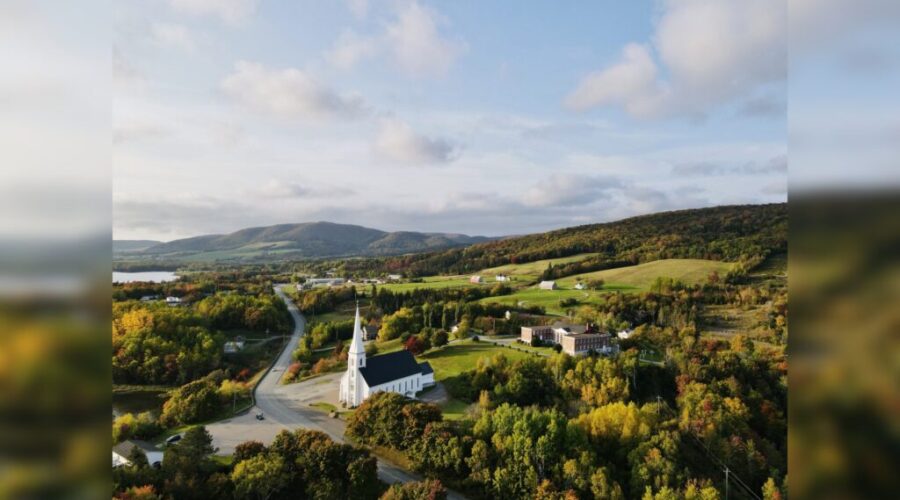
The Gaelic College says it’s making some of the toughest decisions in its history as it works to balance rising costs with declining government support.
According to President Rodney MacDonald, the post-secondary institution in Cape Breton has been a cornerstone for Gaelic life for nearly 90 years.
In a letter to students, supporters and the community, MacDonald said the organization is feeling the same financial pressures facing many educational and cultural institutions across the country.
“While there is much to celebrate, we also face significant financial challenges,” MacDonald wrote. “Like many cultural, educational, and non-profit organizations across Canada, Colaisde na Gàidhlig is navigating rising operating costs alongside declining public funding.”
Among the biggest challenges is a 20 per cent reduction in provincial operating funding, representing a loss of $82,000 for the current fiscal year. The College has also learned that annual funding from the Atlantic Canada Opportunities Agency for KitchenFest will end in January 2027, reducing revenue by another $75,000.
Those financial pressures have resulted in staffing and operational changes, including the decision to suspend the Bachelor of Arts in Community Studies program for the coming academic year because enrolment did not meet the minimum required. The College says the program is expected to return in 2027 after a renewed recruitment effort.
Even with those changes, MacDonald says the College remains committed to the programs people know best.
“I want to assure you that many of our signature programs will continue, including Na Gaisgich Òga, An Cùrsa Bogaidh, Gaelic Immersion Weekends, KitchenFest, Wednesday Night Ceilidhs, March Break and Summer Camps, and many others.”
The Province says it continues to provide significant financial support to the institution.
Asked about the situation following a cabinet meeting, Communities, Culture, Tourism and Heritage Minister Dave Ritcey said the College continues to receive substantial annual funding.
“The organization from a CCTH perspective supports with over $300,000 to the Gaelic College on the annual basis operating funding in 26-27,” Ritcey said.
Ritcey also pointed to additional funding provided through the Office of Gaelic Affairs for Gaelic programming, including youth initiatives, while emphasizing that decisions about operations are made by the institution itself.
“I think we definitely value the Gaelic culture and the Gaelic College,” Ritcey said. “The decisions made with the operating funding is the decisions made by the college.”
MacDonald says the changes are necessary to ensure the College can continue preserving and promoting Gaelic language, music and culture for future generations.
“The decisions we are making are among the most difficult our organization has faced. However, they are necessary to ensure the long-term sustainability of Colaisde na Gàidhlig | The Gaelic College and Beinn Mhàbu.”
Despite the financial challenges, the College says its focus remains firmly on delivering the cultural programming.