


August 12 is a big day for stargazers and astronomers across Nova Scotia.
Parts of the province will be able to see not just one, but two unique astronomical events.
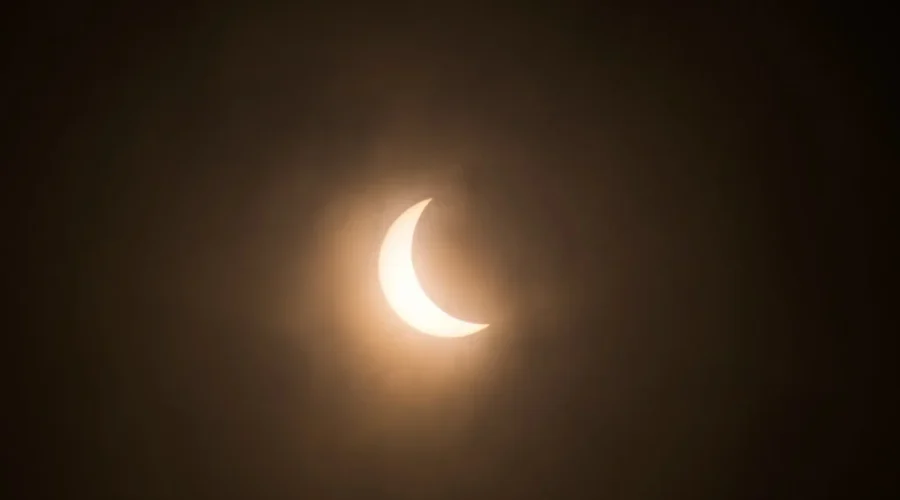
Most of the province will be able to see a partial solar eclipse between 2 and 4 p.m.. Depending on the viewer’s location, the moon will cover up to 33 per cent of the sun at the peak of the eclipse.
Tim Doucette with The Deep Sky Eye Observatory said they’ll have specialized telescopes and equipment for people visiting the observatory between 2 and 4 p.m..
“We’ve got a special telescope that’s dedicated to observing the sun safely, it’s a hydrogen alpha telescope,” said Doucette. “What makes it really neat is that it lets you see a lot of the textures that come off the sun, that you would see in the pictures that NASA would show… it lets you see all the little solar flares coming off the sun, it lets you see all the sun spots and the texture.”
Doucette says the peak of the eclipse would be around 2:58pm at The Deep Sky Eye Observatory in South Quinan.
Later in the evening, the yearly Pereseid meteor shower will be visible during it’s peak.
The Canadian Space Agency calls it, “the best meteor shower of the year”. They say this year an increasing number of shooting stars will be visible, and will peak on Aug 12 and 13.
During the peak, which is the darkest hours after midnight, The Canadian Space Agency says watchers could see 50 to 80 meteors per hour streaking across the sky.
To increase your odds of getting a good view of the meteor shower, they recommend heading away from bright city lights, where light pollution can make it harder to see distant meteors.