



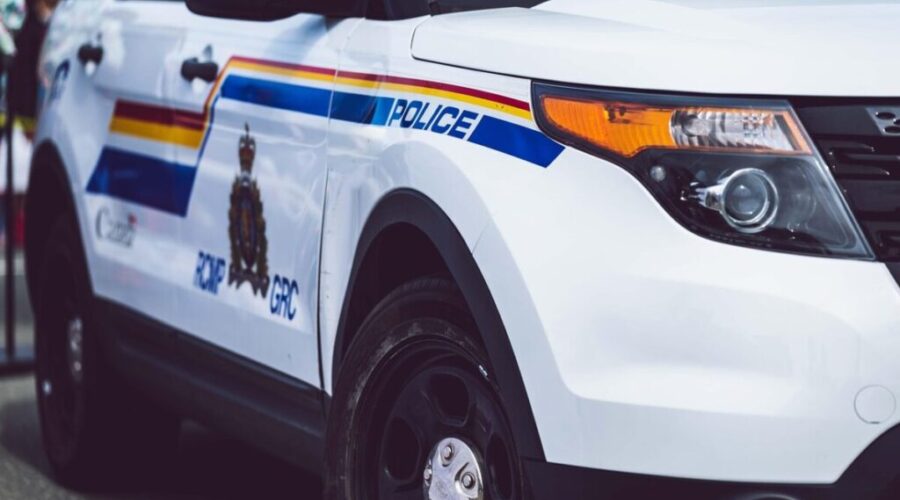
Nova Scotia is changing the way municipalities pay for RCMP policing, with the province putting more money into the system and promising 25 additional officers.
The province says the new billing model will take effect in October, with funding retroactive to April 1.
It includes an additional $16 million from the province in 2026-27, followed by $18 million annually after that.
Justice Minister Scott Armstrong says the old model was too rigid and was based largely on the cost per officer.
He says that did not work well for municipalities facing very different policing pressures.
“If you were in a small rural community, with a low population, but a huge geographic area, you don’t really have the tax base to be able to afford the amount of police you need to cover your geography,” Armstrong said.
The province says the new model will consider factors such as crime severity, geography, population, service demands and public-safety pressures.
Most municipalities under the RCMP agreement are expected to see savings, while none will pay more.
Armstrong says municipalities that do see savings will have to reinvest that money into local public-safety priorities.
That could include community safety officers, mental health and addictions response, crime and violence prevention, community safety planning or layered policing.
He says the goal is to free up trained police officers to focus on police work.
“If we have police who are sitting in an emergency room that’s located in the municipality, because there’s someone there that needs to have support, that job may go to someone else,” Armstrong said. “You might have a social worker or community safety officer take that role on.”
Armstrong says the funding is also expected to add 25 RCMP officers across Nova Scotia.
Fourteen of those officers are already in place, with the rest in the recruitment phase.
“Some people said it may not sound like much, but I tell you, those 25 officers are going to make a huge impact,” Armstrong said.
The new billing model applies to municipalities that contract for RCMP policing.
Armstrong says communities with their own municipal police forces, such as Bridgewater, are not part of that billing model.
However, he says those communities could still benefit from wider policing improvements across the province, especially where municipal police and RCMP members support each other during certain calls.
The province says Nova Scotia’s comprehensive policing review, released in June 2025, called for a new RCMP billing model as one of six foundational changes to improve public safety.
Armstrong says the issue predates that review, with municipalities raising concerns for years about the rising cost of policing.
“Municipalities have been telling us for years that the cost of policing that they’re facing is an ongoing budgetary challenge,” Armstrong said.
He says the Mass Casualty Commission and the provincial policing review reinforced the need for change.
The province says the RCMP provides policing services to 39 municipalities across Nova Scotia and is responsible for policing about 80 per cent of the province’s geography and 50 per cent of its population.